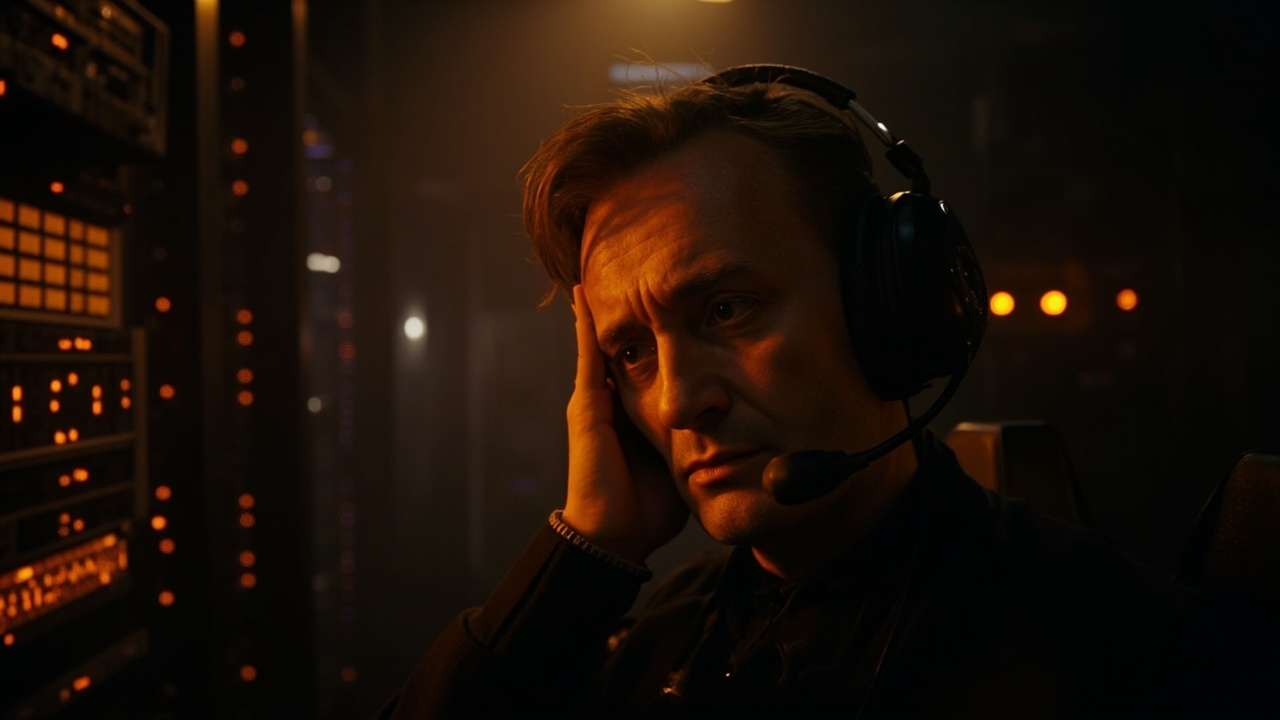
U.S. Cyber Command has 60 days to propose major changes to how it handles operator rest cycles, career paths, and mental health support—under a Pentagon memo obtained by Recorded Future News. The directive from Katherine Sutton, the department's top cyber policy official, comes after reports this summer of a suicide cluster among the command's personnel, an issue that has forced military leaders to confront the psychological cost of sustained digital warfare.
Sutton's memo strikes a candid tone. It describes "continuous, high-tempo" operations as inflicting a cumulative toll that cyber units lack structures to address—unlike conventional forces with formalized deployment-rest cycles.
The short version
- Sutton addressed the directive to Gen. Joshua Rudd on August 31
- First deliverables—climate surveys and exit interviews—are due in 30 days
- Mid-October deadline covers a new operator wellness framework
- NSA partnership to embed mental health staff inside operational teams is a priority early action
- Command must propose changes to consecutive tour policies within 60 days
The Core Problem the Memo Identifies
The document draws a sharp contrast between kinetic forces and cyber teams. Conventional military units rotate through deployments with built-in recovery windows. Cyber operators, by contrast, spend most of their time engaged with adversaries—sometimes working from home, blurring the boundary between mission and personal space even further.
Sustained cognitive load degrades analytical work. It also drives attrition as skilled operators pursue less punishing civilian roles. The memo ties operational strain directly to "long-term analytic performance" and retention, framing operator wellness as a readiness issue, not just a humanitarian concern.
What Sutton Is Demanding
The seven-step directive requires specific actions with hard deadlines. First, officials must compile four years of historical climate surveys and standardized exit interview summaries within 30 days. This data establishes a baseline to measure whether future interventions actually move the needle.
The command must also negotiate a memorandum of agreement with NSA—also headquartered at Fort Meade, where both agencies share facilities—to station mental health professionals inside Cyber Mission Force workspaces on an interim basis. Think of it as embedding a medic directly in a combat unit rather than relying on personnel to seek help at a clinic.
By mid-October, the command needs a Cyber Occupational Resiliency and Engagement Framework in place—an enduring structure for operator wellness, not a temporary fix. Related deadlines cover "dwell phasing" to give operators predictable downtime and a proposal to modify consecutive tour policies, potentially adding instructor or education assignments as stress interrupter mechanisms.
A new Governance and Cyber Wellness Working Group will liaison between Fort Meade and Sutton's office, ensuring these issues stay on the agenda rather than fading after initial attention.
Our Analysis
Sutton is essentially demanding that Cyber Command formalize practices other branches developed years ago. The fact that the command was asked to provide historical climate data it apparently has not centrally analyzed suggests blind spots in how leadership has been tracking operator health.
The NSA partnership makes logistical sense—both agencies share Fort Meade, and Rudd leads both—but it also signals that normal channels are failing. Operators may not seek help through conventional military support systems, where asking for assistance carries cultural stigma.
The harder question is whether anyone can actually reduce operational tempo. Offensive cyber missions do not pause for operator rest. "Optimized unit phasing" sounds reasonable in a conference presentation, but Col. Dan Kim's language at HammerCon—letting operators step away "regardless of operational demands"—will face friction when missions are live.
Watch for whether Congress ties these requirements to future defense authorization bills. Legislative backing would make compliance mandatory rather than optional.
Practical Example
Managing a 24/7 ransomware response team? You face a version of this problem without Pentagon-scale resources. Start by gathering what data you already have—turnover rates, overtime hours, employee survey results—to establish your baseline. Then embed senior staff as informal wellness check-ins in operational workflows, not as distant HR liaisons. Finally, build rotation paths that include training or mentorship roles as deliberate stress breaks.
What to Watch Next
Cyber Command's response to the 60-day deadline will reveal whether leadership treats this as a genuine structural problem or procedural box-checking. Congressional hearings, if scheduled, could accelerate timelines. And if another crisis occurs before reforms take hold, the pressure on Rudd will intensify fast.
Key takeaways
- Pentagon directive gives Cyber Command 60 days to propose operator wellness reforms after suicide cluster
- Core issue: cyber operators lack standardized rest cycles unlike kinetic military forces
- NSA partnership to embed mental health support inside operational spaces is an early deliverable
- Whether proposed tour policy changes actually reduce operational tempo remains an open question
- Readers managing burned-out security teams can apply similar baseline-and-structure frameworks
Frequently asked questions
Who issued the directive to Cyber Command?
Sutton, serving as assistant secretary for cyber policy, addressed the memo to Gen. Joshua Rudd on August 31.
What prompted this directive?
Reports emerged this summer about a cluster of suicides at the command, raising alarm among officials and lawmakers about the psychological toll on operators.
What is the Cyber Occupational Resiliency and Engagement Framework?
A new structure covering wellness, resilience, and performance sustainment that the command must build by mid-October to serve as a permanent support mechanism.
How does this compare to civilian cybersecurity workforce practices?
Burnout is an industry-wide problem, but Cyber Command uniquely operates without formalized deployment-rest cycles; civilian SOCs can借鉴this case to build structured rotation and decompression protocols.
What is the NSA partnership about?
The memo calls for an agreement allowing mental health professionals to work inside Cyber Mission Force operational areas at Fort Meade as a temporary measure while permanent support capacity is developed.